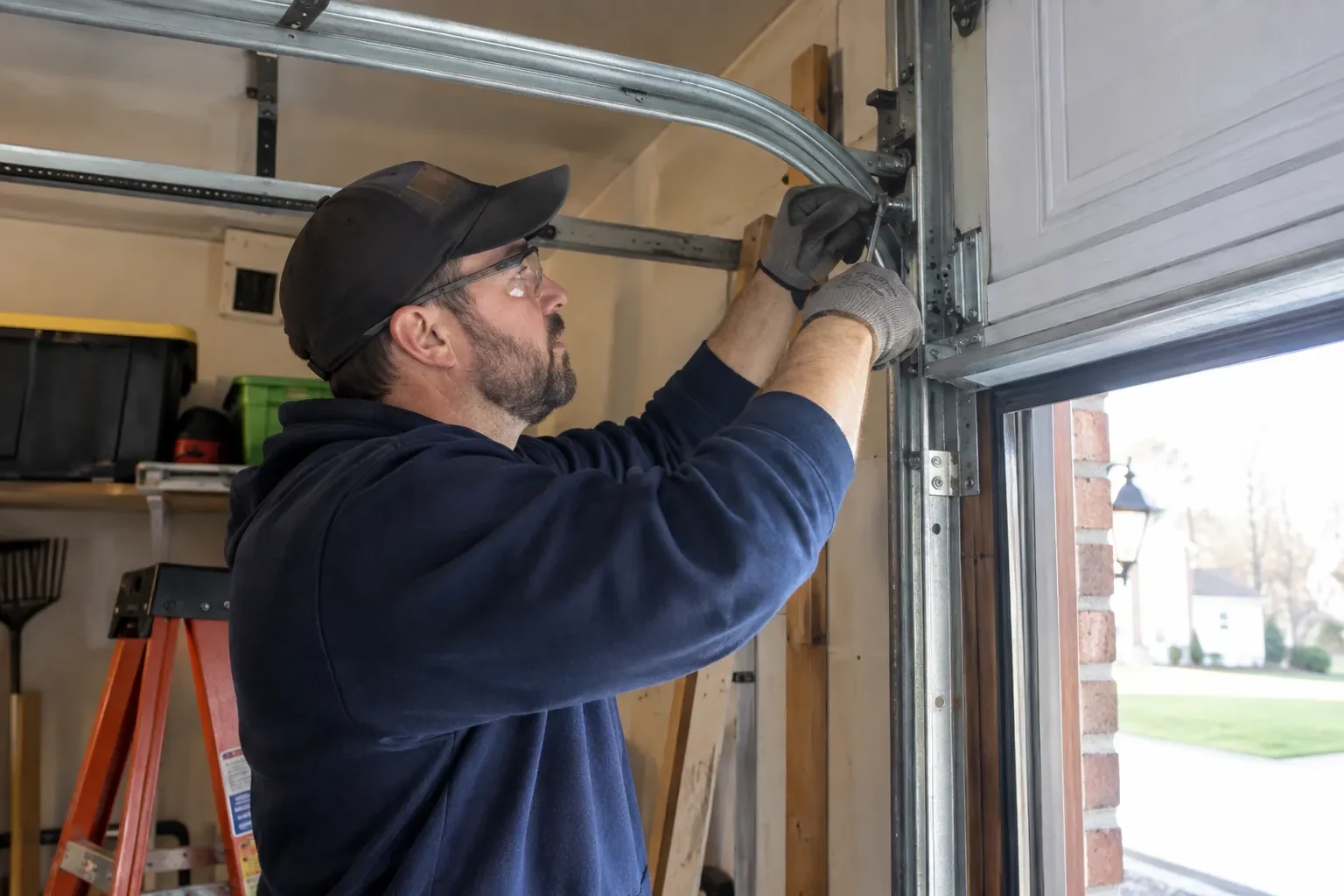
Openers · Oro Beach
Emergency Release Repair in Oro Beach
Someone pulled the cord last spring to get a car out during an outage, and the door has never properly rejoined the opener. Press the button and the trolley glides along the rail by itself while the door stays exactly where it is.
Emergency Release Repair
In plain words
There are two releases on many garages, and this service covers both. Inside, the red handle drops from the trolley and anyone standing in the garage can pull it. Outside, some doors carry a small keyed cylinder, near the top on a sectional door or at mid-height on others; turning the key pulls a cable that throws the same lever from the driveway, which matters when the garage has no other door and the opener is quiet. Repair inside usually means a new cord, handle, lever or trolley. Repair outside means a new cylinder, cable or keys, routed clear of the section joints so the key turn reaches the lever.
How the visit goesSomeone pulled the cord last spring to get a car out during an outage, and the door has never properly rejoined the opener. Press the button and the trolley glides along the rail by itself while the door stays exactly where it is.
Oro Beach
How the visit goes
Door closed before anything is touched
The first thing the technician does is get the door into a safe state. If it is closed, it stays closed while the release is examined. If it is stranded open or part-way, the door is supported and clamped, with the opener unplugged, before anyone reaches for the lever, because a door that is free of its opener is held only by its springs and an unbalanced one can move on its own. This is the same rule the industry checklist gives homeowners: disconnect with the door closed and keep the opening clear, since even a closed door can shift once free of the opener. Starting here keeps the risk low until someone decides to move the door.
Replacing the trolley or carriage
Latch teeth that have worn round, a cracked trolley body or a carriage bent when a door dropped onto it call for a new assembly. The technician slackens the drive, disconnects the arm from the door, slides the old trolley off the rail and fits the replacement that matches the opener's model and rail type, then reattaches the arm with new clevis pins and clips. The chain or belt is set to the correct tension, the trolley is run to the door and latched, and the opener is cycled until the technician is satisfied the connection is solid at both ends of travel. Old parts are shown to you before they leave.
The sequence, demonstrated on your own door
Before leaving, the technician walks through the release with you rather than describing it. Door closed. Pull the handle straight down until the lever clicks over. Lift the door by its handle or a gripping point on the panel face, never at the joint between sections. Lower it the same way. To reconnect, pull the cord toward the opener, or simply run the opener, and listen for the trolley to click onto the carriage. Anyone in the house who might face a blackout with the car inside is welcome to try it while the technician is there.
Emergency Release Repair
In the van
- Release cable and clips
- Dry lock lubricant and de-icer
- Outside key release kit (lock, cable, keys)
- 2x4 offcut for the reversal test
- Door arm, clevis pins and clips
What affects the quote
Same fees day, night or weekend
1Number of doors and openers
A double garage with two openers, or a house with a detached garage as well, means two releases to check and possibly two sets of parts, and the quote counts each.
2Door material for the outside release
Cutting a cylinder hole through a thin steel section is routine; an insulated door, a wood door or a glass-panel top section takes more care and sometimes a reinforcing plate.
3Opener type and rail
A chain or belt unit on a one-piece rail, a sectional square rail, a screw drive and a wall-mounted opener each use a different release part, and the part sets the shape of the job.
Emergency Release Repair: questions
Does every type of opener have a release?
Yes, in different forms. Chain and belt units have the familiar red handle on a cord from the trolley. Screw-drive units release at the carriage on the rail. Wall-mounted openers beside the door use a handle on a cable that is pulled down until it clicks, since there is no rail overhead. The parts differ, so the technician identifies the model before choosing a cord, lever, trolley or cable, and shows you the sequence for your own unit.
Why does the trolley run but never reconnect to the door?
Three usual causes. On many rails, pulling the cord back toward the opener deliberately holds the lever out for a spell of manual use, and someone forgot to return it. Or the trolley latch teeth or the release arm are worn or bent, so the two parts pass without catching. Or the carriage sits at the wrong point for the powered trolley to meet, since reconnecting is meant to happen during an opener cycle, not by pushing the door shut by hand. Each is a short fix once identified.
How do I keep the door in manual mode during a long outage?
On many rails, pull the cord straight down and then back toward the opener; the lever stays in the released position until you return it, so the trolley will not catch the door on its own. On others the trolley simply stays free until the opener is run. Lift and lower the door by its handle and use the slide bolt or manual lock to hold it shut. When power returns, reconnect first, then use the wall control.
Openers & Access
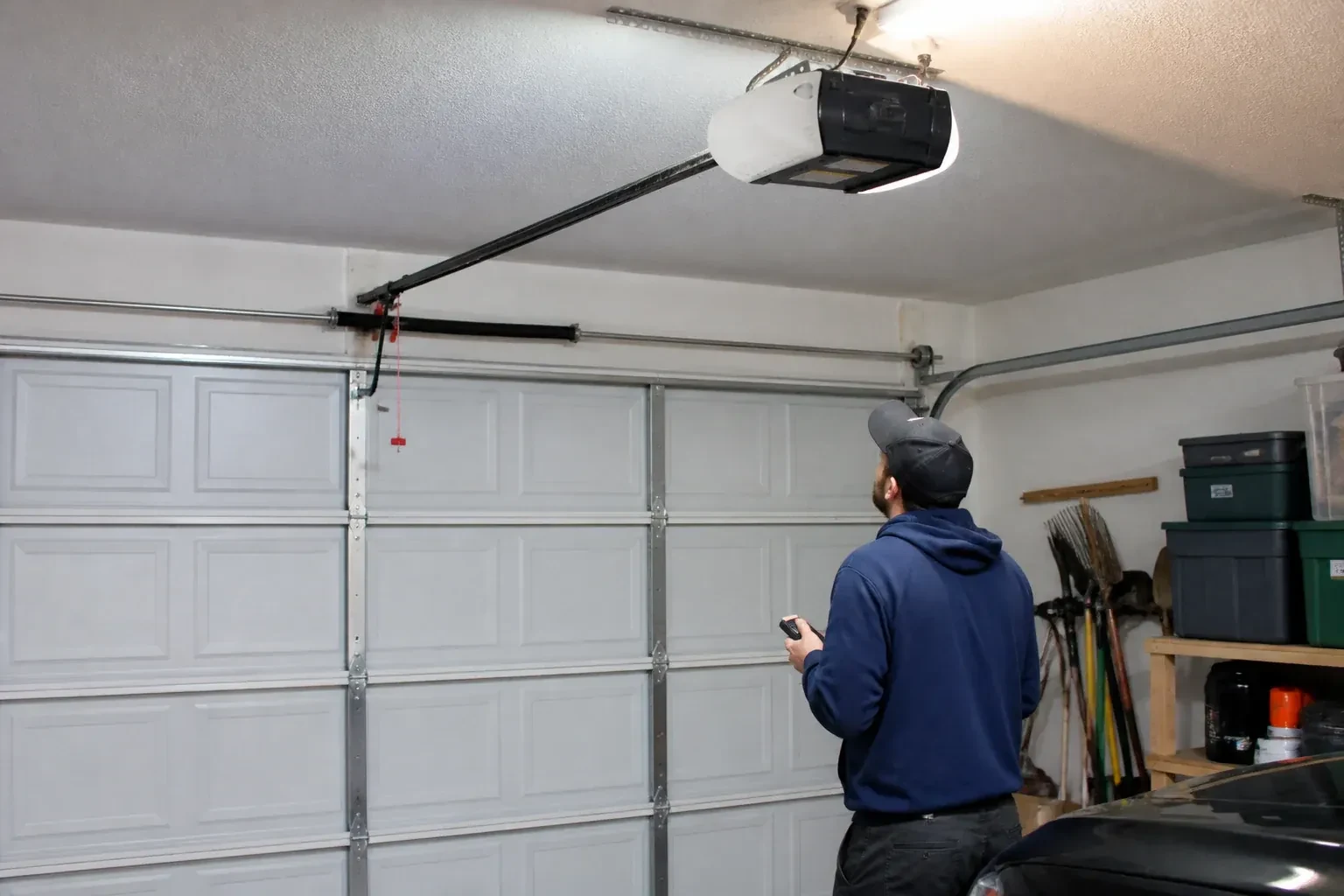
- Chain-Drive Opener RepairThe chain in the detached garage went orange with rust over the winter, the links are stiff, and…
- Belt-Drive Opener RepairThe door used to glide up with a soft hum.
- Garage Door Opener ReplacementSince the storm the door behaves oddly: it reverses halfway down for no reason, the light flickers…
Emergency Release Repair near you
If your door in Oro Beach is doing something new, there is a service here for it. Grinding usually points to rollers or hinges. A door that will not lift points to a spring or cable. A door that reverses on its own points to sensors or force settings. We diagnose first, then repair.