Oro-Medonte Garage Door Pros
Issue 1 of 3Garage DoorsOro-Medonte, Ontario
Full-View Glass Garage Door Installation: inside the visit
Handover is an important part of a glazed-door installation because the surfaces and mechanism need different kinds of care.
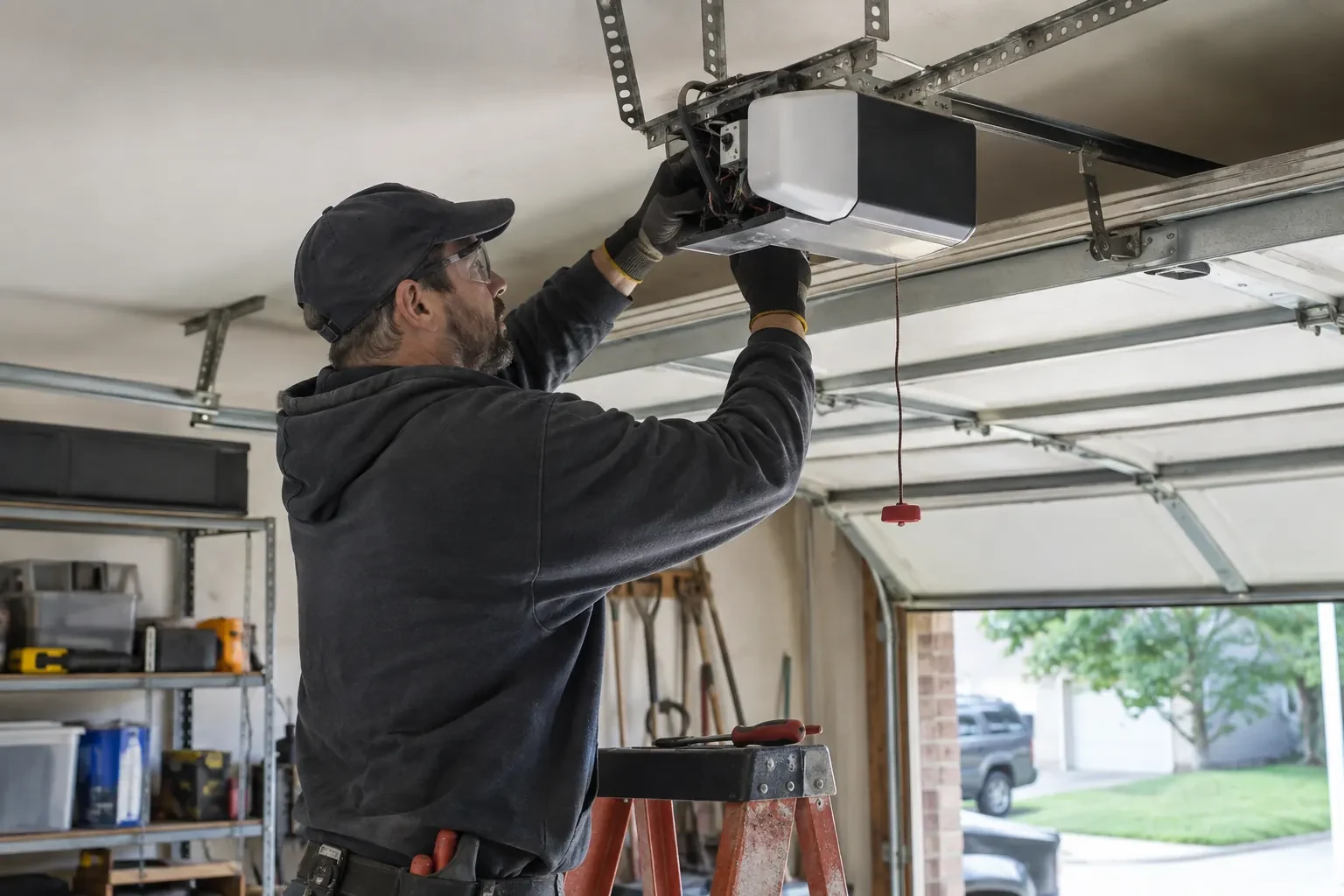
Handover is an important part of a glazed-door installation because the surfaces and mechanism need different kinds of care. You receive an explanation of manual release, lift points, controls and routine visual checks, along with cleaning guidance for the exact glazing and frame finish. Product identifiers and manuals are kept for later service or panel matching. Before that handover, the installer confirms stable track supports, even cables, balanced manual travel, consistent perimeter contact and normal powered opening and closing.
Planning a compatible travel path
The selected sections must follow tracks designed for their thickness, weight, hinge geometry and available clearance. The installer reviews standard, low-headroom or other suitable track arrangements and checks where the top section will move near the header. The opener rail or wall-mounted operator, torsion assembly and rear hangers each need their own space. Existing tracks are identified rather than assumed compatible, because gauge, radius, spacing and bracket positions vary. This system check prevents an attractive door choice from being separated from the hardware that guides it.
Tuning alignment through manual cycles
Before powered testing, the door is guided by its designated lift points through the full path several times. The installer listens at track joints, watches roller position through curves, compares cable tension and confirms that hinges fold without binding. Track spacing and top-fixture position receive small adjustments where movement reveals a need. Balance is assessed at more than one height because a door can feel light near the floor yet drift elsewhere. This manual stage exposes mechanical details clearly before the operator becomes part of the test.
Controls set for everyday routines
Wall control, remotes and any included access devices are demonstrated with the door area visible. You see where the photo-electric sensors sit, what their indicator lights normally show, and how stored items can interrupt their beam. Travel limits and operating settings have been established for the new door, and the manual release is identified without changing private access information. Keep transmitters where children cannot use them and choose a control position that gives a clear view of the opening. These habits support calm, predictable operation each day.